


If you’re considering plastic surgery, it’s time to get your mind and body prepared.
What you do in the weeks leading up to surgery helps set the stage for how comfortable you’ll feel afterward, how you take to anesthesia, and how your body adjusts during recovery. Getting answers to your questions eases nerves. And when pre-operative instructions are followed, your overall recovery is much more manageable.
In this guide, we will explain how to prepare for plastic surgery from both a medical and lifestyle standpoint. Our goal is to help you feel confident in the process and what happens after.
Page Topics
Medical Preparation Before Plastic Surgery
Medical preparation plays a quiet but important role in both the surgery and recovery processes. These early steps anticipate potential issues and give your body the best chance to respond well to anesthesia and healing.
Pre-Operative Medical Evaluation
Before surgery, most patients complete a pre-operative medical evaluation. This usually includes:
- Blood work to get a clear picture of overall health
- A physical exam to check for underlying conditions
- Medical clearance from a primary care provider or specialist, when needed
These evaluations help your surgical team confirm that anesthesia can be used safely and that your body is ready to heal. Even minor conditions, such as low iron levels or slightly elevated blood pressure, can affect your recovery if not addressed beforehand.
Your surgeon reviews this information carefully and may adjust recommendations based on your health history and the specifics of your procedure, keeping safety and comfort front and center.
Medications and Supplements to Avoid
Some medications and supplements can increase bleeding risk or interfere with anesthesia and may be paused before surgery. Depending on your situation, your surgeon may ask you to stop taking any of the following:
- Blood-thinning prescription medications
- Over-the-counter pain relievers such as aspirin
- Herbal supplements, including ginkgo, garlic, and ginseng
Since timelines vary, it is important to follow your surgeon’s instructions closely rather than relying on general advice or assumptions. Never stop prescription medications without direct guidance from your surgical team, as they can help you navigate safe alternatives if needed.
Lifestyle Changes to Make Weeks Before Surgery
Plastic surgery preparation also happens outside the doctor’s office. Small, everyday choices in the weeks before surgery can quietly support healing and simplify recovery once you are back home.
Smoking and Nicotine Cessation
Nicotine affects circulation, which directly influences how effectively your body heals. Many surgeons recommend stopping nicotine use four to six weeks before surgery. This includes cigarettes, vaping, nicotine patches, and similar products. Even occasional use can interfere with recovery, so it’s important to disclose all nicotine use to your surgeon.
While nicotine is understandably hard to quit, your care team will point you toward resources that can make the process feel more manageable.
Alcohol and Recreational Substances
Alcohol and recreational substances can alter the effectiveness of anesthesia and certain medications. They also contribute to dehydration and inflammation, which can complicate recovery.
In the weeks leading up to surgery, many patients are advised to limit or avoid alcohol and stop recreational substances altogether. Your surgeon will offer guidance based on your health and the type of procedure you’re having, but taking a break during this time often helps things go more smoothly on surgery day and in the early stages of recovery.
Nutrition, Hydration, and Physical Health
What you eat and drink before surgery can make a noticeable difference in how your body responds afterward. A balanced diet with adequate protein supports tissue repair, while hydration helps your body better manage anesthesia and medications.
Light movement, such as walking or gentle exercise, can improve circulation unless your surgeon recommends otherwise. The goal is not to push yourself or start something new, but to keep your body steady and supported heading into surgery.
Foods to Avoid Before Plastic Surgery
We highly recommend that you partake in a healthy diet before your surgery. Your body needs protein, iron, nutrients, and fat to recover properly. While it’s important to be in a healthy routine prior to your surgery, there are a few things you should avoid consuming leading up to your surgery.
1. Green Tea
The first mention-worthy being green tea. Green tea is known as an antioxidant powerhouse, but when it comes to surgery it can have some negative effects. We recommend that you stop drinking green tea at least 10 days before surgery. Unfortunately, green tea can negatively interact with anesthesia, causing increased blood pressure and accelerated heart rates. It’s important to always check with your doctor when it’s safe to ingest again to avoid any complications post-surgery.
2. Fruits and Vegetables
Fruits and vegetables, while usually a necessity in a healthy diet, are best avoided for at least 24 hours before surgery. The reason we recommend staying away from fruits and vegetables leading up to your surgery is due to their high fiber content, which can take longer to digest. It’s important to have as little food as possible in your system before your surgery begins.
3. Coffee and Alcohol
Lastly, we know how important your morning coffee can be, but we highly recommend that in the 24 hours leading up to your surgery you only consume clear beverages, such as water. Additionally, all alcoholic beverages should be avoided as you prepare and recover from your surgery.

Supplements to Avoid Before and After Plastic Surgery
To ensure a safe and successful outcome post-surgery, it is imperative that you talk to your surgeon about any over-the-counter supplements or prescription medications you may take. It’s safe to assume that almost anything purchased from a health food store has the potential to increase the risk of bleeding during surgery. Don’t take any over-the-counter medications or supplements, with the exception of Tylenol, for two weeks before and after surgery without first consulting with your surgeon.
When preparing for your surgery, you should also be aware that a number of vitamins and minerals can negatively impact recovery. Some common supplements to avoid in preparation of your surgery and during recovery are:
1. Fish Oil Supplements
While an amazing supplement that provides Omega-3 fatty acids and numerous health benefits, fish oil also increases bleeding and bruising. We recommend that if you are taking fish oil supplements, you stop in the days leading up to your surgery.
2. Herbal Supplements
Many supplements can increase your risk of bleeding during and after surgery, prolong the effects of anesthesia, and some can even post a risk to your safety post-surgery. We believe it’s best to take herbal supplements out of your daily wellness routine
3. Vitamin E
You should be aware that Vitamin E is known to be a blood thinner and can play a negative role in your healing process after surgery. Additionally, it imposes a higher risk of your body not being able to heal your wounds. Be sure to also check if your multivitamin contains Vitamin E because most of them do.
Mental and Emotional Preparation
Mental preparation also makes a meaningful difference in how patients experience surgery and recovery.
Setting Realistic Expectations
One of the most important parts of mental plastic surgery preparation is understanding what is realistically achievable. During your plastic surgery consultation, your surgeon will provide before-and-after photos to illustrate how individual anatomy influences results.
Open conversations help set expectations and reduce unnecessary stress later on. Asking questions, discussing concerns, and understanding the plan ahead of time help patients feel informed rather than uncertain.
Understanding Risks and Recovery
Swelling, bruising, and temporary discomfort are part of the healing process. Knowing the risks and what to expect during recovery can ease worries when these normal changes occur.
Preparing Your Home and Support System
Knowing how to prepare for plastic surgery is the first step. Now let’s consider what happens at home afterwards.
Creating a Comfortable Recovery Space
You do not need to turn your home into a hospital, but a few small adjustments can go a long way. Most patients find it helpful to prepare one main, calm recovery area where everything they need is close by, so they can rest without feeling rushed.
These are some of the items to have prepped ahead of time:
- Prescribed medications within easy reach
- Extra pillows to support comfortable positioning
- Compression garments or dressings recommended by your surgeon
- Simple, easy-to-prepare meals and snacks
Arranging Transportation and Post-Operative Care
After surgery, you will need a responsible adult to drive you home and stay with you for at least the first 24 hours. Anesthesia and pain medications can affect alertness, coordination, and judgment, even if you feel relatively clear-headed.
Planning for care ahead helps avoid last-minute stress. Whether it is a family member, partner, or close friend, have someone available to help with meals, medications, and basic needs during the first day or two.

How a Consultation With Dr. Mazaheri Helps You Prepare
By the time you’re ready to schedule your plastic surgery consultation, you’ll already have a sense of what you want to change or improve. The consultation is where those ideas are refined into a grounded plan.
During his consultations, Dr. Mazaheri considers the full picture, including your anatomy, health history, and surgical goals, before outlining the preparation and recovery that may be required for the requested procedure.
Your plastic surgery consultation with Dr. Mazaheri typically includes the following conversation points:
- The surgical options available that align with your anatomy and goals
- What kind of results are realistic to expect
- How to prepare for plastic surgery
- How preparation and recovery may vary based on the procedure and your lifestyle habits
- Q&A around timing, healing, and post-operative care
Rather than rushing decisions, Dr. Mazaheri keeps the discussion centered on clarity and planning. Patients leave with a better sense of what comes next and what they can do in advance to support a smoother experience. When you understand the plan and feel supported, you’ll feel much more confident and calm during the weeks leading up to your surgery.
For those who want personalized guidance or have lingering questions, start with a personalized consultation with Dr. Mazaheri to transform preparation into confidence. Take the next step by calling or scheduling your consultation online today.
Frequently Asked Questions About Preparing for Plastic Surgery
How far in advance should I start preparing?
Most people start preparing a few weeks before surgery, as that gives them time to make small lifestyle adjustments and plan for recovery without everything feeling rushed. Your surgeon will let you know if you need to start sooner based on your procedure or health history.
Can I exercise before surgery?
In many cases, yes. Light movement, like walking or gentle workouts are often fine and can help you feel better going into surgery. More intense exercise may need to be scaled back as your surgery date approaches, so it is always best to check with your surgeon if you are unsure.
What happens if I do not follow pre-operative instructions?
Pre-operative instructions are intended to support safety and healing, so skipping them can make recovery more difficult or delay it. It is always better to ask rather than guess if something feels unclear. Open communication with your surgical team helps prevent unnecessary issues.
How long should I plan to take off work?
That depends on the type of procedure you are having and the kind of work you do. Some people feel comfortable returning to desk work fairly quickly, while others need more downtime. Your surgeon can help you think through a realistic timeline so you can plan with fewer surprises.
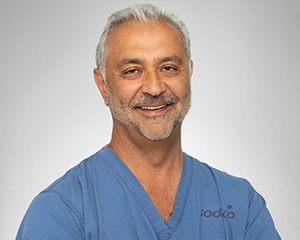
Dr. Mazaheri is a Board Certified Plastic Surgeon and a member of The American Society of Plastic Surgeons. After more than sixteen years of education and advanced training, Dr. Mazaheri opened his Scottsdale practice in 2003. He is a thorough and experienced surgeon with a strong focus on achieving patient needs. Dr. Mazaheri’s areas of specialty include breast and body contouring procedures such as breast augmentation, mastopexy, tummy tucks, liposuction and other body sculpting procedures. He and his friendly staff will only recommend procedures that will help you achieve your desired results. Focusing on your needs both before and after a procedure is Dr. Mazaheri’s top priority.
Comments are closed.